
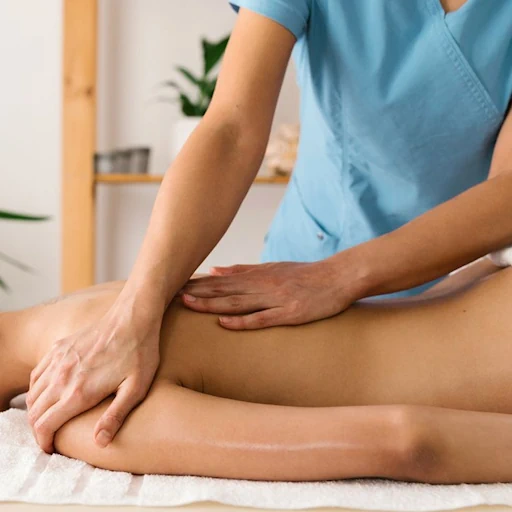
In today’s fast-paced world, stress has become an almost constant companion. Tight shoulders, tension headaches, restless sleep, and that heavy “stuck” feeling in your muscles are all signs that your body is struggling under pressure. But the problem goes deeper than just physical discomfort. Chronic stress triggers elevated cortisol levels, the body’s primary stress hormone, which can affect everything from immunity to mood and overall health. This is where deep tissue massage Portland comes in. Unlike standard massages that focus on relaxation, deep tissue therapy targets the deeper layers of muscle and connective tissue, releasing knots, adhesions, and chronic tension that build up over time.
By doing so, it doesn’t just ease muscle pain; it actively helps the body reduce cortisol levels, promoting a state of calm, balance, and healing from within. For anyone dealing with long-term stress or chronic muscle tension, understanding how this therapy works can be a game-changer. In this blog, we’ll break down the science behind deep tissue massage, explore how it combats cortisol, and explain why it’s a must-have tool for maintaining both physical and mental well-being. Keep reading.
What Is Deep Tissue Massage?
Deep tissue massage is a therapeutic technique that focuses on the deeper layers of muscles and connective tissue, rather than just the surface. Instead of light, soothing strokes, it uses slow, deliberate pressure to reach areas where tension, knots, and adhesions build up over time.
Unlike Swedish or relaxation massage, which is designed mainly for comfort and circulation, deep tissue massage works at the root of muscular stress. Think of it as correcting the source of the problem, not just easing the symptoms. Many in Portland turn to deep tissue massage Portland for lasting relief from chronic muscle tension, stress-related pain, and restricted movement, especially when traditional relaxation massage isn’t enough.
How Stress Affects the Body?
Stress isn’t just “in your head.” It creates real, measurable changes in the body, most notably through cortisol. Cortisol acts like an internal alarm system. In short bursts, it helps the body respond to danger. But when stress is constant, that alarm never turns off.
Over time, elevated cortisol levels can lead to:
- Tight, shortened muscles that never fully relax.
- Increased inflammation throughout the body.
- Persistent fatigue and low energy.
- Anxiety, irritability, and poor sleep.
- Headaches, stiff neck, and chronic back pain.
The body essentially stays in fight-or-flight mode. Deep tissue massage helps interrupt this cycle naturally by signaling the nervous system that it’s safe to let go.
The Science: How Deep Tissue Therapy Reduces Cortisol
Deep tissue massage works on both mechanical and neurological levels, which is why it’s so effective for stress reduction.
Here’s how it helps lower cortisol:
- Releases muscle tension and adhesions
- Sustained pressure breaks up tight muscle fibers and scar tissue that trap stress in the body.
- Improves circulation and oxygen flow
- Better blood flow delivers oxygen and nutrients while removing stress-related metabolic waste.
- Stimulates the parasympathetic nervous system
- This is the body’s “rest and recover” mode, counteracting stress hormones.
- Lowers cortisol and boosts endorphins
- Research shows deep tissue massage can reduce cortisol levels while increasing feel-good chemicals like serotonin and dopamine.
This is why clients seeking deep tissue massage in Portland often report feeling calmer, lighter, and more mentally clear after sessions, not just physically relaxed.
Additional Benefits of Deep Tissue Massage
Beyond stress relief, deep tissue therapy supports long-term physical and mental wellness:
- Improved posture and spinal alignment
- Greater flexibility and range of motion.
- Relief from chronic pain and muscle knots.
- Reduced symptoms of repetitive strain injuries.
- Enhanced sleep quality and emotional balance.
- Stronger immune response due to lower cortisol levels.
These benefits make deep tissue massage a powerful tool for both prevention and recovery.
Who Should Consider Deep Tissue Massage?
Deep tissue massage is especially beneficial for:
- Individuals with high-stress or desk-based jobs.
- Athletes and physically active individuals.
- People recovering from injury or overuse.
- Anyone experiencing chronic muscle pain or tension.
Certified therapists offering deep tissue massage in Portland can tailor pressure, techniques, and session goals to individual needs, ensuring safety, comfort, and effective results.
Tips for Maximizing the Benefits
To get the most out of deep tissue massage:
- Schedule regular sessions for consistent stress management.
- Stay hydrated before and after appointments.
- Combine massage with stretching or light movement.
- Practice mindfulness or breathing exercises post-session.
- Communicate openly with your therapist about comfort levels.
Professional guidance ensures the therapy supports both immediate relief and long-term wellness.
Conclusion
Stress doesn’t just disappear on its own; it accumulates, embeds itself into the muscles, and quietly affects daily life. Understanding how cortisol impacts the body is the first step toward meaningful relief. Deep tissue massage Portland isn’t just about relaxation; it’s a therapeutic, science-backed approach to reducing stress, easing pain, and restoring balance from the inside out. Explore certified deep tissue therapy in Portland and take the first step toward lowering stress, improving mobility, and reclaiming a calmer, healthier body.
This is the best massage place near me I have found.
Great staff with a ton of skill.
The place is clean, and the prices are low.
Be sure to tip if satisfied. I wanted to tip $40 but only had $35. I will be coming back!
Emma
Hi Emma,
It was great to see you again. As discussed, we have discounts for military and law enforcement.
We hope to see you again very soon.
Thanks again,
Selina –
I have had professional massages across the globe. This place is very good and it would be tough to find a massage spa that provides better results. There are a lot of sketchy massage places in Oregon; this is not one of them. they are pros!
Joe.
Hello Joe,
Thank you for your kind words.
We hope to see you again very soon.
All the best,
Selina, Anna and Eva
Spring Oriental is a great place. My sister and I recommend this place to all in search of peach, relaxation and bliss.
Donna
Hi Donna,
Thank you for your kind words.
We hope to see you again soon.
Selina –
One of the best ways to relax is to treat yourself to a full body massage.
It is AMAZING !
This massage studio is perfect, as they have it all dialed in.
Don’t forget to tip! Massage wok is not easy.
Lauren
Hi Lauren,
Thank you for your kind words.
We hope to see a lot of you this Summer.
If your daughter is 21, you and her can come in and get a massage together. Our couples love the twin massage.
See you soon!
Selina –
I have a reoccurring condition with my lower back. These girls really know how to balance pressure and time.
It’s an amazing feeling to go in and relax in a private room. The interior is fantastic; the music is superb, and the girls are kind, humble and talented.
I will go back. They also have couple’s room, which is a great idea/
Vera
Hi Vera,
Thank you for your kind words.
If you bring your husband, be sure to call in and book the time;, we get busy on the weekends.
Thank you for your support.
Selina –
My husband and I went for 90 minutes in the Couple’s Room at Spring Oriental, Aloha.
Its great to get a massage together.
We will be back!
Thank you Spring Oriental.
Allison
Hi Allison,
A calm and relaxing environment plays a crucial role in the effectiveness of massage therapy. We provide a serene atmosphere designed to you feel comfortable and stress-free.
From soothing lighting and relaxing music to skilled therapists, every detail contributes to a healing experience.
See you soon!
Selina, Lilly, Anna
Spring Oriental is a great find! Its in Aloha, Oregon and my wife and I love this place and have been going there for months.
Its right off of TV highway – very convenient, and close to shopping and other health related businesses. We are very pleased with the work and the prices. They also have gift certificates for the gift of relaxation to family and friends.
Cheers to Spring Oriental !
Hi Annette,
Thank you for your kind words.
We hope to see you again soon.
Best,
Selina
WOW! Great staff. English is a second language so bring your phone and use the Translation tool.
Selina was great, and very very skilled at massage with women.
Both my husband and I have had good experiences with everyone at Spring Oriental Massage.
We will go back again soon.
LG
Hi Leona,
We really appreciate your business, and hope to see you again soon.
Remember, 3 more visits and you get 30 minutes FREE! Please call ahead to reserve the Couples room next time! it’s very popular.
Selina, Lilly, Anna
This place is a gem in the haystack of massage studios.
Even though its 35 minutes from my office, it’s worth the drive time.
I will go back next week for a follow-up to my sore shoulder.
Thank you, Spring Oriental.
E.
Hello Elias,
Thank you for your kind words.
We hope to see you again soon!
Selina –
Great Massage Studio I just discovered.
Staff is very professional, kind, and highly skilled.
I look forward to my next appointment.
Freya
Hello Freya,
Thank you for your kind words.
The better we know you, the better we can help with your lower back issues.
Kind Regards,
Selina
If you want a good massage at a great price and want to be able to tip some at the end of it all,
go to Spring Oriental Massage and Spa, ask for Anna or Lilly.
These gals are very professional. Hot Stones are included with 90 Minute Whole Body Massage.
I will return !
Leslie
Hi Leslie,
Thank you for your interest in Spring Oriental Massage.
Some say we are the best professional massage in the West Hills!
We hope to see you again soon!
Best,
Selina
Have received multiple great massages from staff here at Spring Oriental Massage. Its a very small and tucked away place in Aloha but very reasonable price for a great massage. Lot of sketchy Asian massage parlors out there, this is not one of them! This is a good quality, great value legitimate massage parlor, was very happy to find this place. Don’t forget to tip well!
MF
Hi Margaret,
Please come back for a second visit.
Also, we have Gift Certificate stocking stuffers to give the gift or relaxation to your friends and family! we hope to see you again soon.
Selina –
Great staff. English is a second language so bring your phone and use the Translation tool.
Selina was great, and very very skilled at massage with women.
Both my husband and I have had good experiences with everyone at Spring Oriental Massage.
We will go back again soon.
R.
Hello Renee,
Thank you for your interest in Spring Oriental.
We hope to see you again soon!
Selina –
This place is a gem in the haystack of massage studios.
Even though its 35 minutes from my home, it’s worth the drive time.
I will go back next week for a follow-up to my sore shoulder.
Thank you, Spring Oriental.
Hi Francis,
Thank you!
See you soon!
Selina –
I went in w/o calling to see what was up. I had to wait 25 minutes …no problem.
The wait was worth it! I am going back again.
Roy
Hello Roy
Thank you for your kind words.
We hope to see you again soon.
Remember, you get 30 minutes FREE after 4 more visits.
Selina –
Great Massage! I highly recommend this place.
Amalia
Hello Amalia,
Thank you for the good review. We appreciate your business.
If you return, try HOT STONE TREATMENT. This is a very effective treatment for lower back fatigue and pain.
See you soon!
Selina
Have received multiple great massages from staff here at Spring Oriental Massage.
Its a very small and tucked away place in Aloha but very reasonable price for a great massage. Lot of sketchy Asian massage parlors out there, this is not one of them! This is a good quality, great value legitimate massage parlor, was very happy to find this place.
K.
Hi Kyrstal,
Thank you for the kind words. and remember you can get 30 minutes free with 2 more visits.
We hope to see you again!
Selina –
Spring Oriental Massage is the best place around for relaxing massage.
I drive from Tualatin and its definitely worth my time. Casey is very professional and highly skilled.
WOW! I am going back for more.
Miguel
Hello Miguel,
Thank you for your kind words.
We appreciate your business,and hope to see you again soon.
Selina –
Great location, as its close to my house. The girls are very talented.
I recommend this Spa to anyone looking for a good value.
Deidre
Hi Diedra,
Thank you for your kind words.
We appreciate your business and hope to see you again soon.
Selina –
I have chronic neck and upper back pain.
Spring Oriental is the ticket for relief.
The prices are reasonable and the skill is very good.
I recommend Sprog Oriental to anyone.
Best,
Nick
Hi Nicholas.
Thank you for your kind words.
Stress doesn’t just disappear on its own; it accumulates, embeds itself into the muscles, and quietly affects daily life.
We Understand how cortisol impacts the body is the first step toward meaningful relief.
Deep tissue massage isn’t just about relaxation; it’s a therapeutic, science-backed approach to reducing stress, easing pain, and restoring balance from the inside out.
Explore deep tissue therapy in and take the first step toward lowering stress, improving mobility, and reclaiming a calmer, healthier body.
We hope to see you again !
Selina –
I came in for a lower back pain and ended up getting a whole-body massage. Selina said that everything is related and once you relax other muscles, the back pain will be less or gone.
She was right. It’s now much better.
Thank you, Spring Oriental Massage Spa!
JS
Hello Javier,
Thank you for your kind words.
We hope to see you again soon.
Best regards,
Selina –
I went in for 30 minutes and got 90 instead. WOW, great staff.
English is a second language so bring your phone and use the Translation tool.
Selina was great, and very very skilled at massage with women.
Both my wife and I have had good experiences with everyone at Sakura Massage.
We will go back again soon.
Bob
Hi Bob,
Thank you for your interest in self-managed healthcare. Massage can be a very important part of your routine and the better we know you, the better the professional massages are and the better your time is spent.
We hope to see you guys again soon. Please call to be sure the couple’s room is available.
Thanks again !
Selina –
I love Spring Oriental.
Great Masseuses, Great relaxing Environment. I will return
Thank you.
Kaleb
Hello Kaleb,
Thank you for your kind words.
We appreciate your business.
Selina –
Spring Oriental is highly recommended. There is a sense of care and attention to comfort.
I recommend Spring Oriental.
Ed
Hello Ed,
Thank you for your kind words.
We hope to see you again soon!
Selina –
Selina was my provider and it was very professional. I tipped $40 because I started at 60 minutes and added 30 more for a 90-minute session. It was definitely worth the money spent.
Chris M.
Hello Chris,
Thank you for the kind words.
We hope to see you again soon!
Selina –
Best Massage I have ever had.
Highly recommend place!
Greg
yes! Individuals with high-stress or desk-based jobs can benefit from Hot Stone, Hot Towels and the massage.
See you again soon.
Selina –